Iran-US Tensions Escalate: Strait of Hormuz Closure and Diplomatic
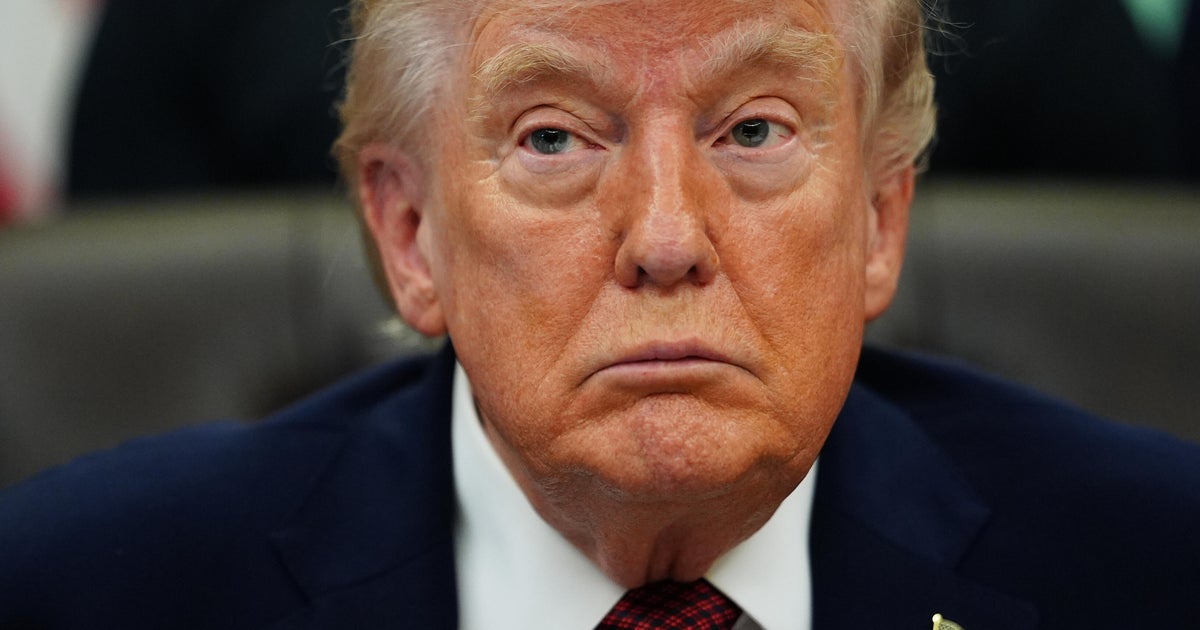
The **Strait of Hormuz**, a vital waterway for global oil supplies, has been closed by Iran, prompting a significant escalation in tensions between **Iran** and
Summary
The **Strait of Hormuz**, a vital waterway for global oil supplies, has been closed by Iran, prompting a significant escalation in tensions between **Iran** and the **United States**. The closure, which affects hundreds of vessels, comes amidst a backdrop of heightened military activity and diplomatic efforts. **President Trump** has announced plans to send representatives to **Pakistan** for negotiations with **Iran**, while **U.N. Ambassador Mike Waltz** has stated that the US will never take an approach of trust with Iran. This development is closely watched by other nations, including **Israel** and **Lebanon**, due to the potential for broader regional conflict. The situation is further complicated by the presence of **Hezbollah**, a militant group with ties to Iran, in the region. For more context, see [[iran-us-relations|Iran-US Relations]] and [[strait-of-hormuz|Strait of Hormuz]].
Key Takeaways
- Iran has closed the Strait of Hormuz, impacting global oil supplies.
- The US is engaging in diplomatic efforts with Iran, with negotiations planned in Pakistan.
- The situation is complex, with both diplomatic and military dimensions.
- The potential for escalation into a broader regional conflict exists.
- Global oil prices are likely to be affected by the situation in the Strait of Hormuz.
Balanced Perspective
The situation in the Strait of Hormuz is complex, with both Iran and the US taking firm stances. While the closure of the strait has significant implications for global oil supplies and could lead to an escalation of military actions, it also presents an opportunity for diplomatic engagement. The US approach of combining sanctions with negotiation attempts reflects the multifaceted nature of the conflict. Understanding the historical context of **Iran-US relations** and the role of **international law** in such conflicts is crucial. Refer to [[international-law|International Law]] for more information.
Optimistic View
Despite the current tensions, there is a possibility for diplomatic breakthroughs, especially with the US sending representatives to Pakistan for talks with Iran. This could be a significant step towards de-escalation, particularly if both sides are willing to compromise on key issues such as **nuclear development** and **regional influence**. The involvement of **Pakistan** as a mediator could provide a neutral ground for negotiations. For more on diplomatic efforts, see [[diplomacy-in-action|Diplomacy in Action]].
Critical View
The current escalation in the Strait of Hormuz could lead to a broader conflict in the region, drawing in other nations such as **Israel** and **Lebanon**. The statement by U.N. Ambassador Mike Waltz that the US will never take an approach of trust with Iran suggests a deep-seated mistrust that could hinder diplomatic efforts. The presence of militant groups like **Hezbollah** further complicates the situation, potentially leading to a proxy war. For analysis on the potential for conflict escalation, see [[conflict-escalation|Conflict Escalation]].
Source
Originally reported by CBS News